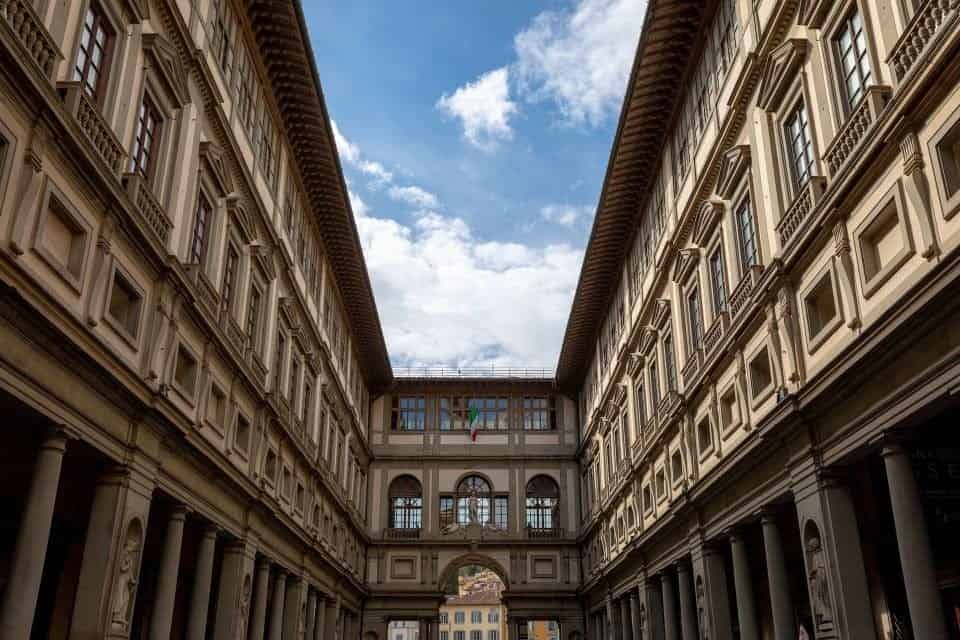
Discover the serene beauty and rich history of the Boboli Amphitheatre
Within the majestic Boboli Gardens, behind the grandeur of Palazzo Pitti, lies one of the most significant areas of the park: the Amphitheater. We are not talking about a simple open space, but rather a true stage of stone and greenery, capable of narrating centuries of history, taste, and power. It is not, in fact, a classical theater designed to host Greek tragedies or comedies. Its origins are decidedly more practical: at this location, during the construction of the palace, stone was quarried. When the quarry was exhausted, the Medici, always attentive to scenery and beauty, decided to transform that space into a representation area. This transformation took place around the second half of the 16th century. The initial layout was designed by Niccolò Tribolo and completed by other architects like Ammannati and later the Parigi family. What we see today is the result of multiple interventions, with additional elements added in the 17th and 18th centuries.
The result is an elegant semicircle of stone seating, adorned with statues and decorations, which has served for centuries for parties, performances, and shows.
Immediately striking is the obelisk that rises at the center. It comes directly from Egypt, specifically from Luxor, and is a rare example of pharaonic art in Tuscany. In front of it, a Roman basin made of green granite creates a visual contrast with the light stone of the seating. The effect is scenic yet never excessive.

Surrounding the amphitheater, carefully placed among the hedges and along the perimeter, are statues of deities and mythological figures. Many are copies of classical models, chosen to enhance the solemn atmosphere of the place. The proportions are well-considered, yet the impact remains surprisingly natural.
During the 17th and 18th centuries, the amphitheater was the center of the court’s social life: allegorical parades, water games, music, and movable scenery. Today, it is a quiet, almost meditative space frequented by curious visitors or those simply seeking a tranquil corner to pause.
It is easily reached by walking upward from the courtyard of Palazzo Pitti. The amphitheater of the Boboli Gardens is indeed an area to be explored at a leisurely pace, and the most curious visitors linger over every small detail. It is a place that invites tranquility and reflection; therefore, it is recommended to visit it early in the morning during the late spring days when there aren’t too many crowds that often disturb the natural quiet of the place.
Those who visit Boboli without stopping here miss one of its most emblematic spots. The Amphitheater is not just a stop: it is the heart of the park, where the past and landscape merge into a beauty that needs no words.
Booking Info
How to Book Your Tickets
Booking your tickets to see the Dying Gaul is as easy as pie! Just hop on over to tiqets.com and secure your spot with just a few clicks. No more waiting in long lines—your adventure awaits!
Ticket Options
Choose from a variety of ticket options that fit your schedule and budget. Whether you want a basic entry ticket or a guided tour to dive deep into the sculpture’s fascinating history, there’s something for everyone!
Opening Hours
- Daily: 9:00 AM – 8:00 PM
(Last entry at 7:00 PM)
Make sure to check the seasonal hours, so you don’t miss your chance to see this incredible work of art!
Getting There
The Dying Gaul is located in the Capitoline Museums, easily accessible by public transport or a lovely stroll through Rome’s charming streets. Just follow the signs, and you’ll be there in no time!
Location
Passes & Bundles
INCLUDED:
- Boboli Garden: Reserved Entrance
- The Kaffeehaus
- The Viottolone and the Statue of Abundance
- The Knight's Garden
- The Buontalenti Grotto
- The Neptune Fountain
- The Amphitheatre
- BEST DEAL
INCLUDED:
- Boboli Garden: Reserved Entrance
- The Kaffeehaus
- The Viottolone and the Statue of Abundance
- The Knight's Garden
- The Buontalenti Grotto
- The Neptune Fountain
- The Amphitheatre
USEFUL INFORMATION FOR YOUR VISIT
History
The Amphitheater of Boboli, located within the Boboli Gardens in Florence, is one of the most fascinating and historically significant areas of the city. Its construction dates back to the second half of the 16th century, during the Medici period, a family that played a fundamental role in Florentine and Italian history.
The amphitheater is not a classical theater designed for the performance of tragedies or comedies, but rather an example of how the Medici transformed a stone quarry area into a place for representation and recreation. Initially, the area was used to extract stone during the construction of Palazzo Pitti. Once the quarry was exhausted, the Medici decided to enhance the space by creating an amphitheater that could host parties, shows, and performances.
The original design was entrusted to the architect Niccolò Tribolo, who conceived an elegant semicircle of stone seating, enriched with statues and ornaments. The construction was subsequently completed by other architects, including Bartolomeo Ammannati and later the Parigi family. The final result is a work that skillfully combines architecture and nature, creating a scenic environment that has captivated generations of visitors.
Over the centuries, the Amphitheater became the center of the social life of the Medici court. It hosted various performances, from allegorical parades to water games, accompanied by music and movable scenery. During the 17th and 18th centuries, it was a meeting place for nobles and artists, a stage where Florentine culture and art expressed themselves in all their magnificence.
Today, the Amphitheater is a place of tranquility and contemplation, frequented by tourists and locals seeking a quiet corner to reflect and enjoy the surrounding beauty. Its proximity to the gardens and the panoramic view of the city make it an unmissable landmark for anyone visiting Florence. The architectural details, the statues of deities, and the mythological figures that surround the amphitheater tell stories of a glorious past, making it a place where history, art, and nature harmoniously blend together.
Reviews
Clara McKinley, Edinburgh, Scotland
Ethan Lovelace, Sydney, Australia
Isabella Fontana, Florence, Italy
Henry Caldwell, New Orleans, USA
Gallery
Tips
Time Your Visit Right!
If you want to soak in the beauty of The Amphitheatre without the hustle and bustle, aim to visit early in the morning or late in the afternoon. The golden hour just before sunset casts a magical glow over the amphitheater and the surrounding gardens—perfect for stunning photos!
Wear Comfy Shoes!
The Boboli Gardens are expansive, and you’ll want to explore every nook and cranny! Be sure to wear comfortable shoes so you can wander freely without worrying about sore feet. Plus, the charming paths might inspire you to take a few extra steps!
Pack a Picnic!
Why not make your visit even more delightful? Grab some local snacks from a nearby café—think fresh focaccia or delicious gelato—and enjoy a picnic on the grassy areas around The Amphitheatre. Just remember to pack a blanket and enjoy the gorgeous scenery while you munch!
Stay Hydrated!
Florence can get warm, especially in the summer months. Bring a reusable water bottle to keep yourself refreshed as you explore. There are several fountains throughout the gardens where you can fill up your bottle, so you can sip on the go!
Don’t Rush the Experience!
The Amphitheatre is not just a stop on your itinerary; it’s a place to soak in history and beauty. Take your time to explore the intricate details of the architecture and the stunning views. Find a quiet spot to sit and reflect—who knows what inspiration you might find in the serene atmosphere!